SimEvents
Model and simulate message communication and discrete-event systems
Have questions? Contact Sales.
Have questions? Contact Sales.
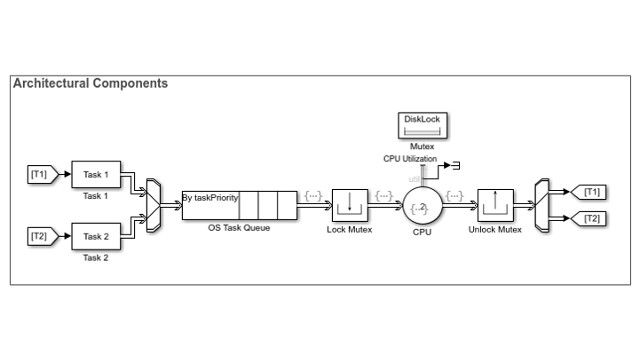
SimEvents can be used to model message-based communication in Simulink or any event-driven process with its discrete-event simulation engine and component library for analyzing event-driven system models and optimizing performance characteristics such as latency, throughput, and packet loss. Queues, servers, switches, and other predefined blocks enable you to model routing, processing delays, and prioritization for scheduling and communication.
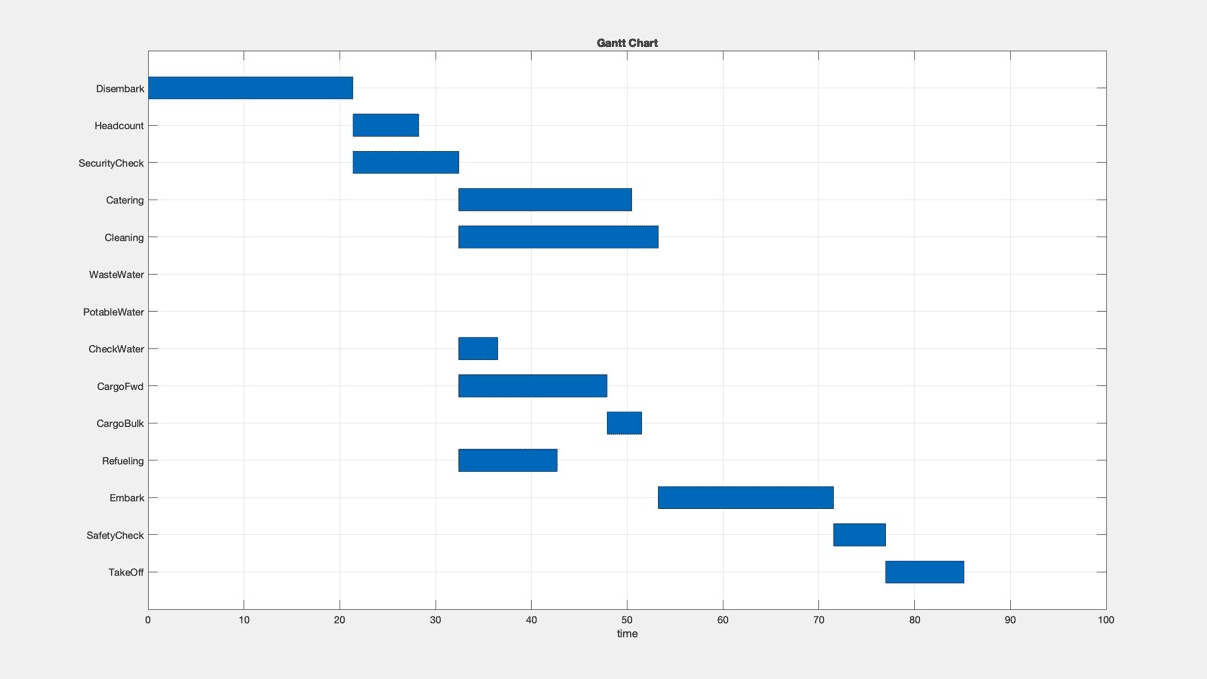
With SimEvents you can study the effects of task timing and resource usage on the performance of distributed control systems, software and hardware architectures, and communication networks. You can also conduct operational research for decisions related to forecasting, capacity planning, and supply-chain management.
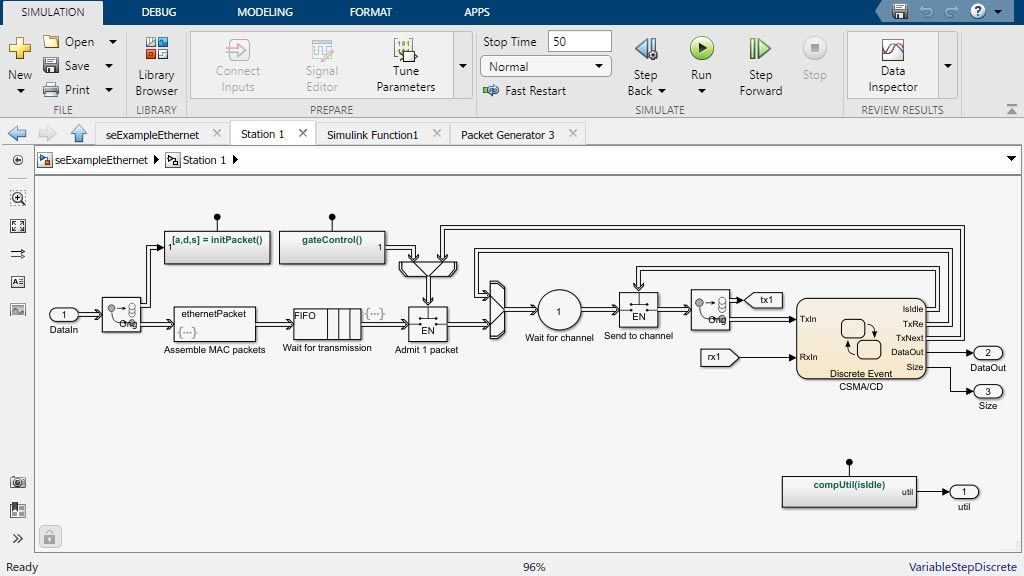
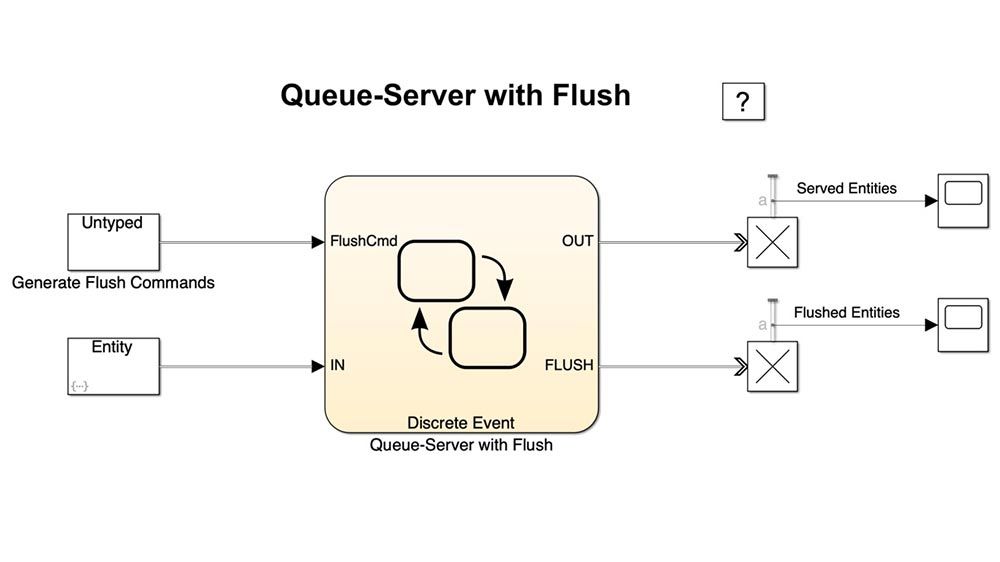
Generate and destroy entities and messages. Store entities with queues or “service time.” Route entities to your model with blocks and attach data to an entity using one or more attributes. Create event responses and manage them with Event Action tabs.
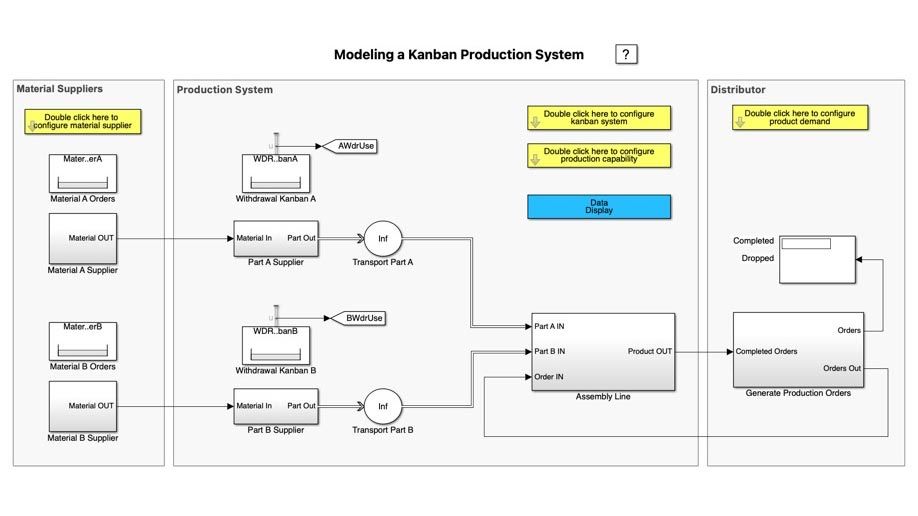
Group resources using batching. Specify resources using the Resource Pool block, identify resources to be used with the Resource Acquirer block, then release resources using the Resource Releaser block. Optimize models by running multiple simulations.
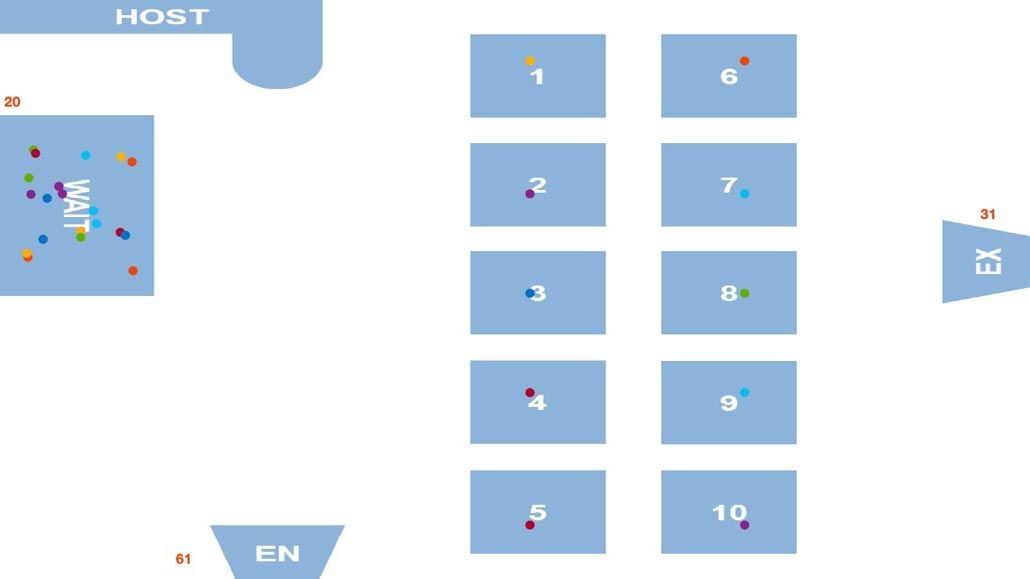
Simulate and debug your model. Create custom visualization tools or incorporate existing ones to visualize entity activity, examine queue contents, and develop presentation tools.
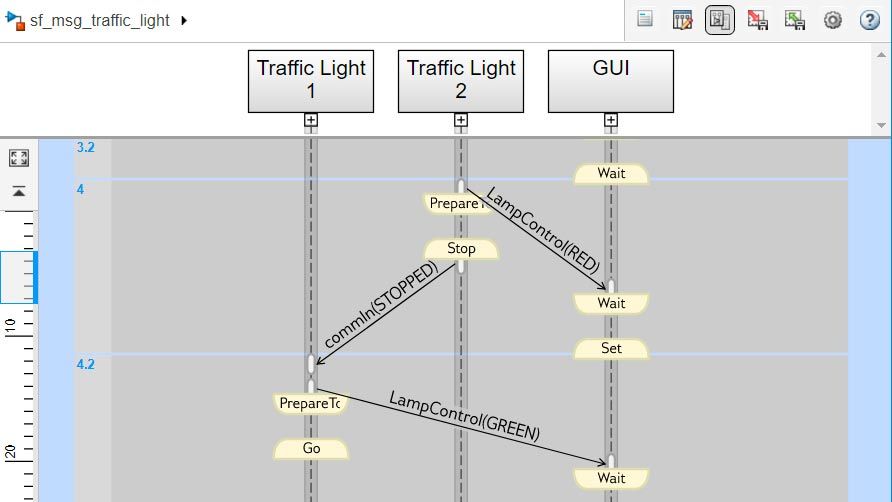
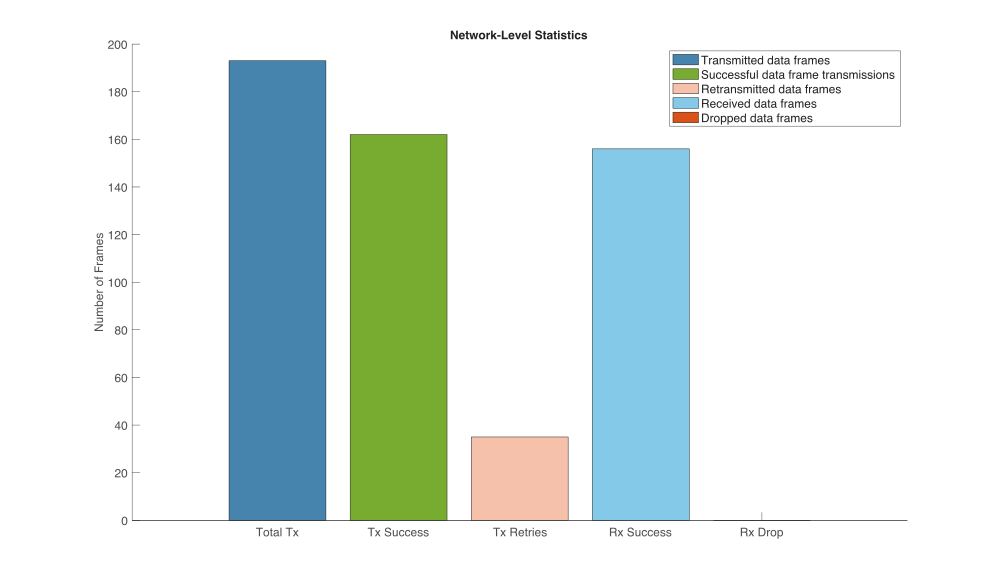
View output statistics to monitor and aggregate measures such as average service times. Visualize to understand block behavior and movement of entities between blocks. Use sequence viewer to visualize messages, events, and entities.
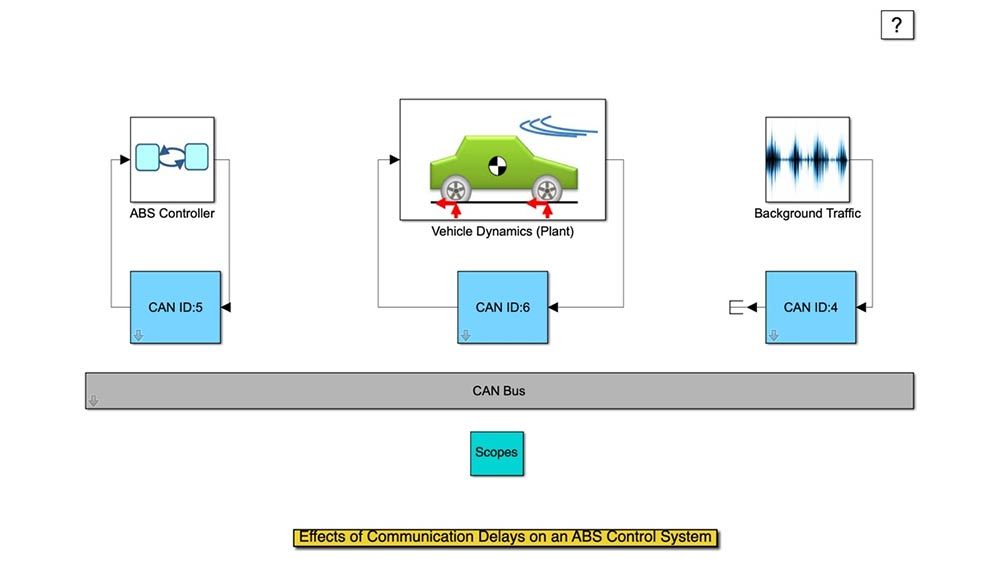
Create Simulink models for time-based systems. Combine with event-based SimEvents models. Create and simulate these large-scale hybrid systems.
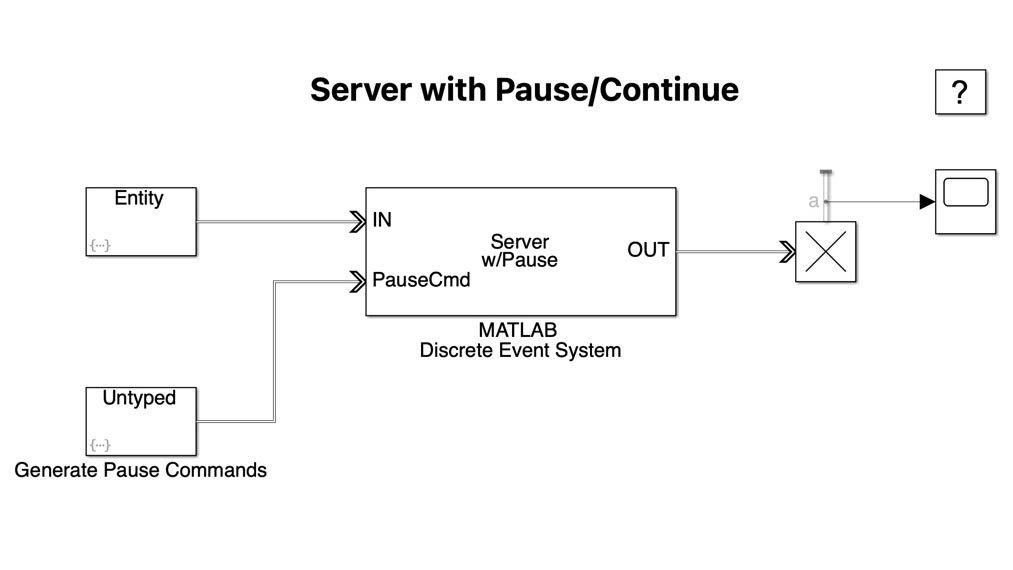
Incorporate ready-to-use design patterns into your model, including random entity generation and random service time. Create custom behavior using MATLAB Discrete-Event System and Discrete-Event Chart blocks.
Explore examples that illustrate modeling and simulation of specific applications.
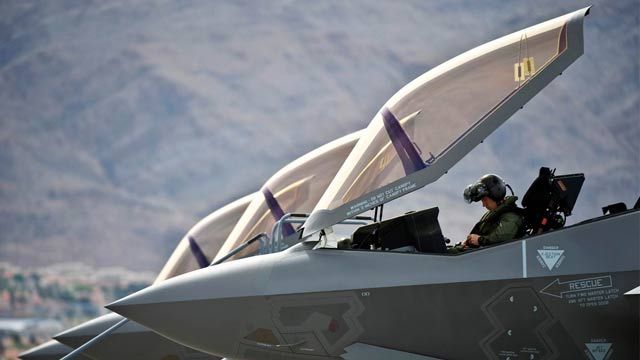
“By building a model with Simulink and SimEvents and running discrete-event simulations on a computer cluster, we rapidly identified many opportunities to maximize F-35 fleet performance while minimizing development and execution efforts.”
Justin Beales, Lockheed Martin
30 days of exploration at your fingertips.
Get pricing information and explore related products.
Your school may already provide access to MATLAB, Simulink, and add-on products through a campus-wide license.

Documentation

Documentation

You can also select a web site from the following list
Americas
Europe
Asia Pacific